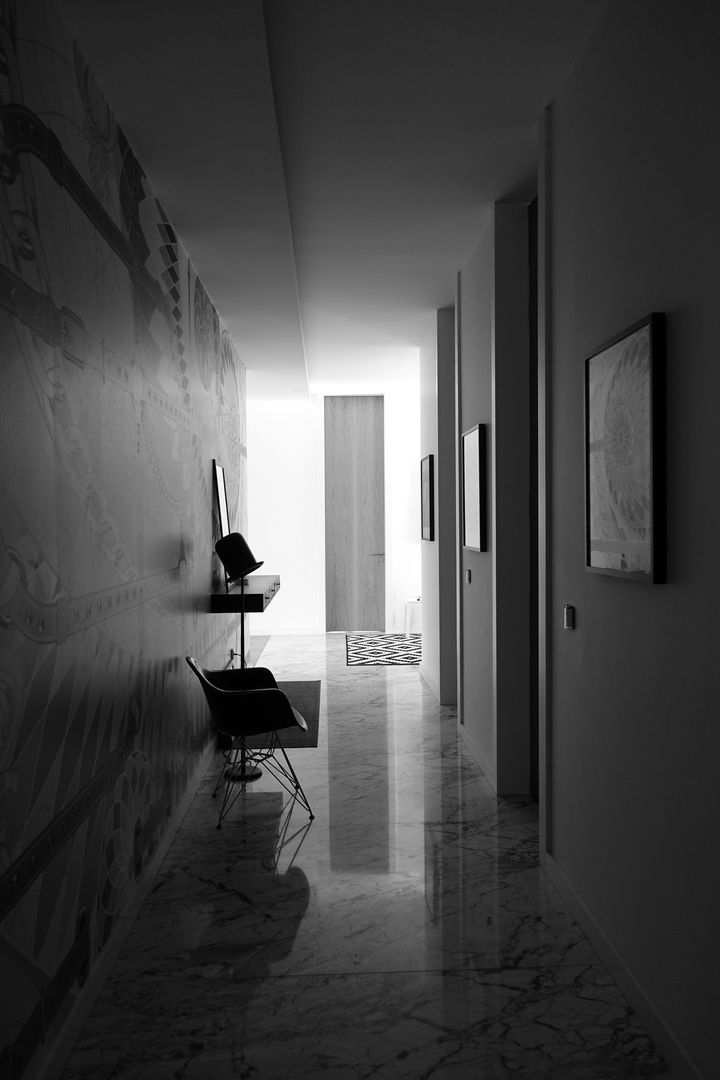
J.Design
 ClickInch
About this Company
This company, with a focus on the keyword “Berkus,” is a renowned interior design firm that has been transforming spaces for over two decades. Led by the visionary designer Nate Berkus, the company has gained a reputation for its exceptional creativity, attention to detail, and ability to create personalized and functional interiors.
Nate Berkus, a household name in the design industry, has built a team of talented professionals who share his passion for creating beautiful and inspiring spaces. With a deep understanding of the power of design to enhance lives, the company takes a holistic approach to every project, considering not only aesthetics but also the functionality and emotional impact of each space.
The company offers a wide range of interior design services, catering to both residential and commercial clients. Whether it’s a cozy family home, a luxurious penthouse, or a vibrant office space, the team at Berkus is dedicated to delivering exceptional results that exceed client expectations.
One of the key strengths of this company is its ability to create spaces that reflect the unique personality and lifestyle of each client. Through a collaborative design process, the team works closely with clients to understand their vision, preferences, and requirements. They then translate these insights into a cohesive design concept that captures the essence of the client’s style while ensuring functionality and practicality.
In addition to their expertise in interior design, the company also offers a range of related services, including project management, procurement, and styling. This comprehensive approach ensures a seamless and stress-free experience for clients, from the initial design phase to the final installation.
When it comes to interior design, the team at Berkus is well-versed in a variety of styles and aesthetics. From contemporary and minimalist to traditional and eclectic, they have the expertise to create spaces that are both timeless and on-trend. Their attention to detail is evident in every aspect of their work, from the selection of materials and finishes to the placement of furniture and accessories.
The company also stays up-to-date with the latest trends and innovations in the industry. They are well-versed in incorporating sustainable and eco-friendly design practices, ensuring that their projects not only look beautiful but also have a positive impact on the environment.
In summary, this company, led by Nate Berkus, is a highly reputable interior design firm that offers a wide range of services to residential and commercial clients. With their exceptional creativity, attention to detail, and ability to create personalized and functional spaces, they have established themselves as leaders in the industry. Whether it’s a cozy home or a vibrant office, the team at Berkus is dedicated to delivering exceptional results that exceed client expectations.
Keywords: interior design, Nate Berkus, design firm, creativity, attention to detail, personalized spaces, functionality, residential clients, commercial clients, collaborative design process, project management, procurement, styling, contemporary, minimalist, traditional, eclectic, sustainable design, eco-friendly practices.
Types of Interior Design:
1. Residential Interior Design: This type of interior design focuses on creating functional and aesthetically pleasing spaces for homes. It involves designing living rooms, bedrooms, kitchens, bathrooms, and other areas within a residential property.
Subtopics:
– Living Room Design: Creating a comfortable and inviting space for relaxation and entertainment.
– Bedroom Design: Designing a peaceful and cozy environment for rest and rejuvenation.
– Kitchen Design: Maximizing functionality and efficiency while maintaining a stylish and practical layout.
– Bathroom Design: Creating a spa-like atmosphere with attention to fixtures, lighting, and storage solutions.
2. Commercial Interior Design: This type of interior design is centered around creating functional and visually appealing spaces for businesses. It involves designing offices, retail stores, restaurants, hotels, and other commercial establishments.
Subtopics:
– Office Design: Creating a productive and inspiring workspace that reflects the company’s brand and culture.
– Retail Store Design: Designing a layout that enhances the customer experience and showcases products effectively.
– Restaurant Design: Creating a welcoming and comfortable ambiance that complements the cuisine and target audience.
– Hotel Design: Designing guest rooms, lobbies, and common areas to provide a luxurious and memorable experience.
3. Hospitality Interior Design: This type of interior design focuses on creating inviting and comfortable spaces for the hospitality industry, including hotels, resorts, and spas. It involves designing guest rooms, lobbies, restaurants, and recreational areas.
Subtopics:
– Resort Design: Creating a relaxing and luxurious environment that offers a memorable vacation experience.
– Spa Design: Designing serene and tranquil spaces that promote relaxation and rejuvenation.
– Restaurant Design: Creating dining spaces that reflect the theme and ambiance of the establishment.
4. Sustainable Interior Design: This type of interior design emphasizes eco-friendly practices and materials to create environmentally conscious spaces. It involves incorporating energy-efficient systems, using sustainable materials, and promoting indoor air quality.
Subtopics:
– Energy-Efficient Design: Incorporating energy-saving technologies and practices to reduce the carbon footprint.
– Sustainable Materials: Using renewable and recycled materials in furniture, flooring, and finishes.
– Indoor Air Quality: Designing spaces that promote good air circulation and minimize the use of harmful chemicals.
5. Universal Design: This type of interior design focuses on creating spaces that are accessible and functional for people of all ages and abilities. It involves incorporating features that accommodate individuals with disabilities or mobility challenges.
Subtopics:
– Aging in Place Design: Designing spaces that allow seniors to live independently and comfortably in their homes.
– Accessible Design: Incorporating features such as ramps, wider doorways, and grab bars to enhance accessibility.
– Ergonomic Design: Creating spaces that prioritize comfort and efficiency, considering factors like proper lighting, seating, and layout.
By incorporating these various types and subtopics of interior design, the company led by Nate Berkus ensures that they can cater to a diverse range of clients and create spaces that are both visually stunning and functional.
Specification: J.Design
|







There are no reviews yet.